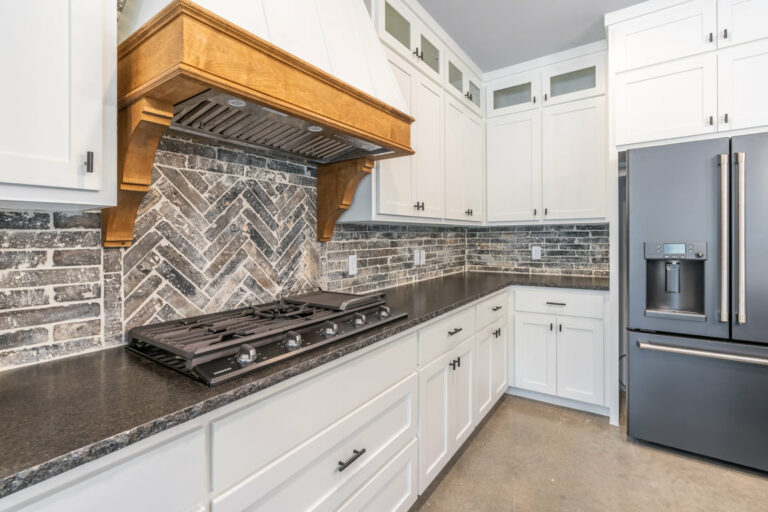
Planning Your Dream Home Remodel: A Practical Guide
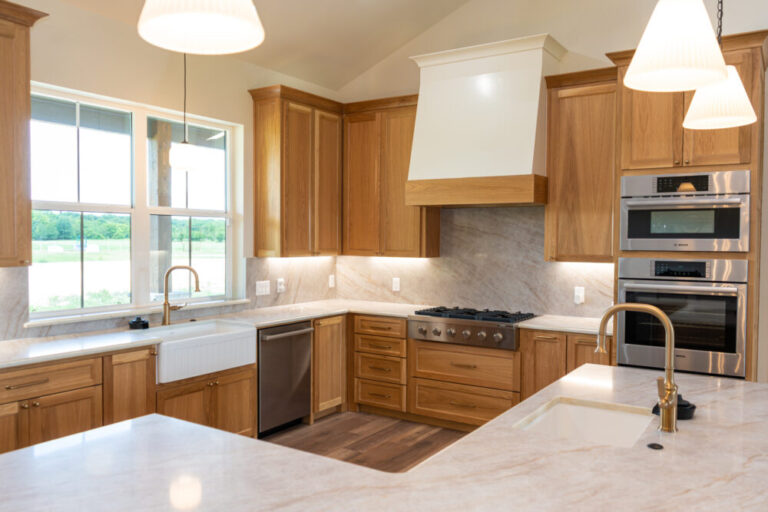
You’ve been walking past that outdated kitchen for months now, mentally redesigning it with every cup of coffee. Or perhaps you’re working from a cramped spare bedroom, dreaming of a dedicated home office with proper lighting and storage. According to the National Association of Home Builders, nearly 60% of homeowners plan a major renovation within five years of purchasing their property, yet many feel overwhelmed by where to begin. The distance between your current reality and your dream home doesn’t have to feel insurmountable. At LaRue Custom Homes, we’ve guided countless homeowners through successful remodels, and we understand that the planning phase often determines whether a project becomes a rewarding transformation or a stressful ordeal.
The key to a successful remodel isn’t just having a vision—it’s translating that vision into a realistic, well-organized plan that accounts for your lifestyle, budget, and timeline. When you approach your remodel systematically, you make better decisions, avoid costly mistakes, and create a space that truly serves your needs for years to come.
Understanding Your True Motivation
Before selecting tile patterns or paint colors, take time to clarify why you’re remodeling. Are you addressing functional problems like insufficient storage or poor traffic flow? Perhaps you’re preparing your home for resale, or you need to accommodate a growing family or aging parents. Your underlying motivation shapes every subsequent decision, from budget allocation to design priorities.
Many homeowners discover that what they initially wanted differs from what they actually need once they examine how they use their space. Someone requesting a larger master bathroom might realize that better organization would solve their problem more affordably than expanding square footage. This distinction between wants and needs becomes your compass throughout the planning process.
Establishing a Realistic Budget Framework
Financial planning extends beyond the construction costs themselves. Industry data shows that homeowners should allocate an additional 10-20% beyond their estimated project costs for unexpected issues, especially in older homes where hidden problems often emerge during demolition. This contingency fund isn’t pessimistic planning—it’s practical protection that prevents project stalls when contractors discover outdated electrical systems or water damage behind walls.
Your budget should reflect not just immediate expenses but long-term value. Energy-efficient windows cost more upfront than standard options, yet they reduce utility bills for decades. Premium materials in high-traffic areas withstand wear better than budget alternatives, potentially saving money on future repairs. These calculations require honest assessment of how long you plan to remain in your home and which upgrades offer meaningful returns.
Creating Your Design Vision
Effective design balances aesthetics with functionality. Start by documenting what frustrates you about your current space and what you hope to achieve. Then research how others have solved similar challenges, gathering inspiration from reputable sources while remaining mindful of your home’s architectural style and your personal preferences.
Working with experienced professionals during the design phase prevents expensive corrections later. Architects and designers see potential problems that homeowners often miss—a beautiful island that blocks natural light, a relocated doorway that creates awkward furniture placement, or insufficient electrical outlets for modern technology needs. Their expertise transforms rough ideas into detailed plans that contractors can execute efficiently.
Selecting the Right Team
Your remodeling team becomes your partner for weeks or months, making their selection one of your most important decisions. Research potential contractors thoroughly, examining their previous projects, verifying licenses and insurance, and speaking with recent clients. The lowest bid rarely delivers the best value when it comes from contractors who cut corners on materials or employ inexperienced workers.
Communication style matters as much as technical skill. Does the contractor explain processes clearly? Do they respond promptly to questions? Can they provide detailed timelines and regular progress updates? These factors determine whether your remodel proceeds smoothly or becomes a source of constant anxiety.
Preparing for the Remodel Process
Once planning concludes and construction begins, your preparation determines how comfortably you navigate the disruption. Establish a temporary kitchen if you’re remodeling that space. Protect furniture and belongings from dust. Communicate clearly with your contractor about your household schedule, pets, and any access restrictions.
The most successful remodels happen when homeowners maintain realistic expectations. Construction inherently involves some chaos, occasional delays, and inevitable adjustments as plans meet reality. Your flexibility and patience, combined with thorough upfront planning, create the foundation for a finished space that exceeds your original vision. Contact LaRue Custom Homes today for a consultation and discover how our expertise can bring your remodeling dreams to life.