From Blueprint to Front Door: Your Complete Guide to Building a Custom Home
Building a custom home is one of the most significant decisions you’ll ever make — and for many people, it’s also one of the most intimidating. The process can feel like stepping into unfamiliar territory, filled with unfamiliar terminology, big financial commitments, and a hundred moving pieces that all need to come together perfectly. At LaRue Custom Homes, we’ve walked alongside families through this journey for years, and we know that the right information at the right time can make all the difference between a stressful experience and an incredibly rewarding one.
Here’s the truth: most people who feel overwhelmed by custom construction aren’t overwhelmed by the work itself — they’re overwhelmed by the unknown. According to the National Association of Home Builders, nearly 1 in 5 new homes built in the U.S. each year is a custom build, yet the majority of first-time custom home buyers say they wished they’d known more before breaking ground. That gap between excitement and preparation is exactly what this guide is here to close.
What “Custom” Actually Means (and Why It Matters)
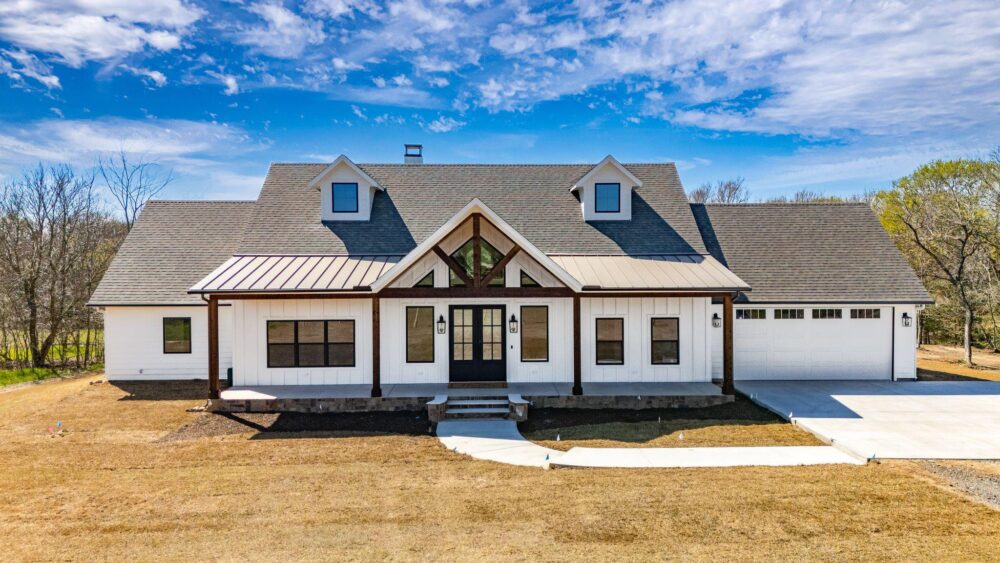
The word “custom” gets thrown around a lot in real estate and construction, but it has a specific meaning when it comes to building a home. A true custom home is designed from scratch around your needs, your lifestyle, and your lot. This is different from a semi-custom home, where you might choose finishes and some layout options within a pre-set framework, or a production home, where you’re selecting from a catalog of existing floor plans.
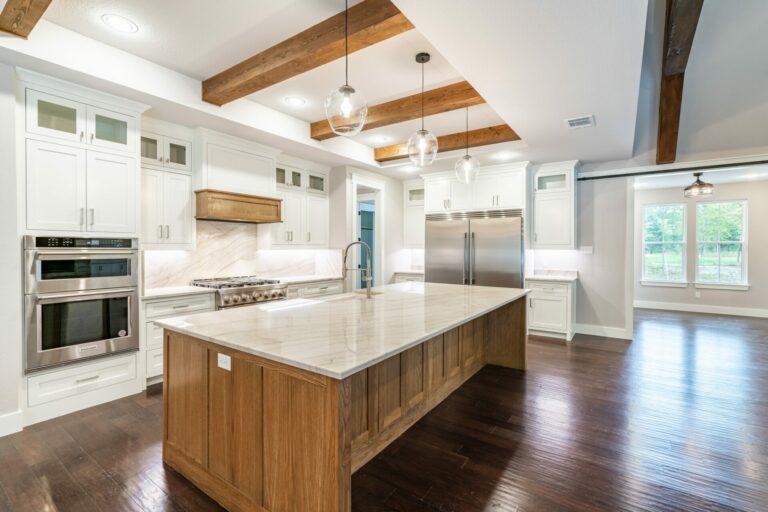
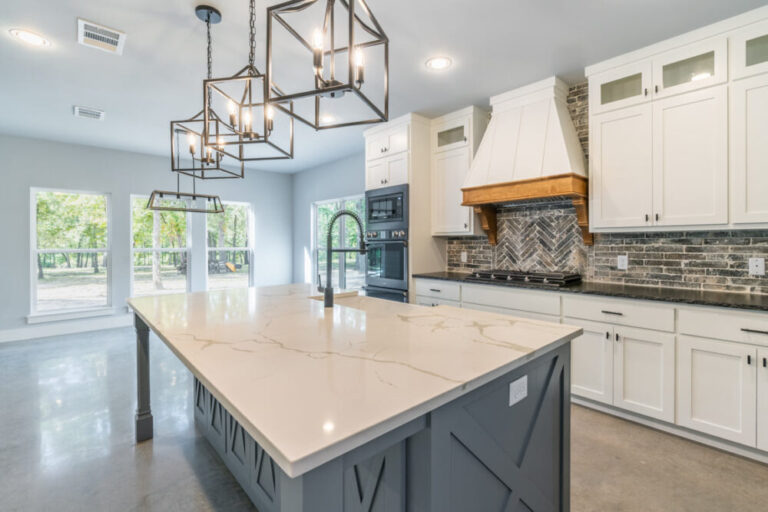
With a fully custom build, your architect or designer works with you to create something that didn’t exist before. That might mean designing around the way natural light falls on your property, accommodating a specific accessibility need, or building in that dream chef’s kitchen your family has talked about for a decade. The level of control is significant — and so is the responsibility to make informed decisions throughout the process.
Understanding this distinction early helps you ask better questions, set more realistic expectations, and ultimately make choices that align with your long-term vision.
Phase One: Planning and Design
Before a single shovel hits the ground, there’s a substantial planning phase that sets the foundation for everything that follows. This is where you’ll work with your builder and design team to establish your budget, develop your floor plan, select a lot if you haven’t already, and navigate the permitting process with your local municipality.
Budget conversations can feel uncomfortable, but they’re essential. A well-established budget doesn’t just tell you what you can spend — it shapes every design decision downstream. Experienced builders will help you understand the difference between your “wish list” and your “must-have” list, and how to prioritize when the two come into conflict.
Phase Two: Construction
Once permits are approved, construction typically unfolds in a predictable sequence: site preparation, foundation, framing, mechanical systems (plumbing, electrical, HVAC), insulation, drywall, finishes, and finally landscaping and exterior work. Most custom homes take between 10 and 18 months to complete from groundbreaking to move-in, depending on size, complexity, and supply chain conditions.
Communication during this phase is everything. A quality builder will keep you updated at each milestone, flag potential issues early, and make you feel like a partner in the process rather than a bystander.
Phase Three: Finishing and Move-In
The final weeks of a custom build involve inspections, walkthroughs, and a detailed punch list — a running document of any items that need correction or completion before closing. This phase is exciting and busy. Your builder should walk you through every system in your new home, from the HVAC to the electrical panel, so you feel confident and informed from day one.
Common Mistakes First-Time Custom Home Buyers Make
Skipping the research phase is the most common pitfall. Many buyers dive into lot selection or design meetings without first understanding the full scope of what custom construction involves — and that gap in knowledge can lead to costly surprises later.
Another frequent mistake is underestimating soft costs. Beyond the physical construction, custom builds involve design fees, permit fees, land costs, utility hookups, and contingency reserves. A general rule of thumb is to budget 10–15% above your base construction estimate to account for unexpected changes.
Finally, don’t underestimate the value of chemistry with your builder. You’ll be working with this team for over a year. Their communication style, transparency, and willingness to listen matter just as much as their portfolio.
Why the Right Builder Changes Everything
A skilled custom builder isn’t just someone who manages subcontractors and orders materials. They’re a project manager, a problem-solver, and in many ways, a translator — someone who takes your vision and communicates it clearly across architects, engineers, tradespeople, and inspectors.
When you’re evaluating builders, look for a track record of completed projects similar in scope to yours, clear and detailed contracts, strong references from past clients, and a genuine willingness to educate you throughout the process. A builder who answers your questions thoroughly before you’ve signed a contract is usually a builder who will keep communicating honestly long after.
Building your custom home is a marathon, not a sprint — and the right guide makes the whole journey not just manageable, but genuinely exciting. LaRue Custom Homes is here to be that guide. Reach out today to get started on your custom home journey!