Your Complete Guide to Choosing the Right Custom Home Builder
Building a custom home is one of the most significant investments you will ever make, and the builder you choose will shape every moment of that experience. At LaRue Custom Homes, we have spent years helping families navigate this process, and we have seen firsthand how the right partnership can turn a stressful journey into one of the most rewarding experiences of a lifetime. The decision you make before a single foundation is poured will determine not just the quality of your finished home, but the quality of your life during the months it takes to build it.
According to the National Association of Home Builders, more than one million custom and semi-custom homes are built in the United States each year, yet a surprising number of homeowners report dissatisfaction with their builder experience. The most common complaint is not about the final product but about the process itself: poor communication, unexpected costs, and missed timelines. Knowing what to look for before you sign a contract is the single most powerful step you can take to protect your investment and your peace of mind.
What “Custom” Actually Means
The word “custom” gets used loosely in the homebuilding industry, so it is worth understanding what you are actually purchasing. A true custom home builder starts from scratch with your vision, designing a floor plan around your lifestyle rather than fitting you into an existing template. A production builder, on the other hand, offers a catalog of predetermined floor plans with limited modifications. Semi-custom builders fall somewhere in between.
When evaluating builders, ask directly: do you build from original plans, or do you work from a library of existing designs? The answer will immediately tell you whether the company can deliver what you are actually envisioning.
The Questions Every Homebuyer Should Ask Before Hiring
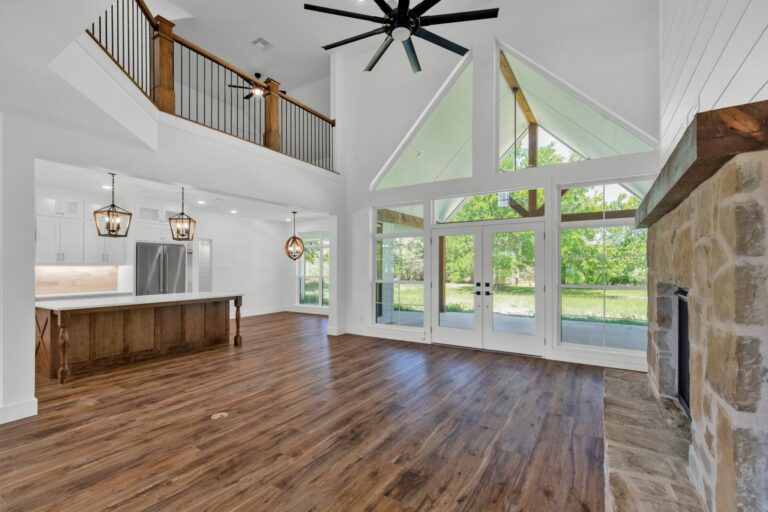
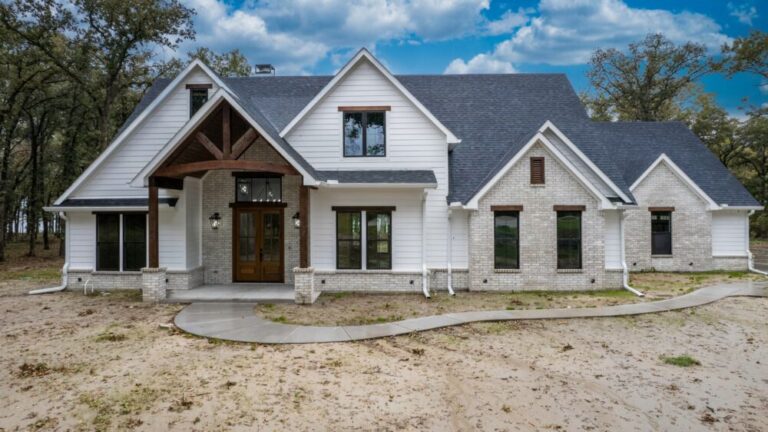
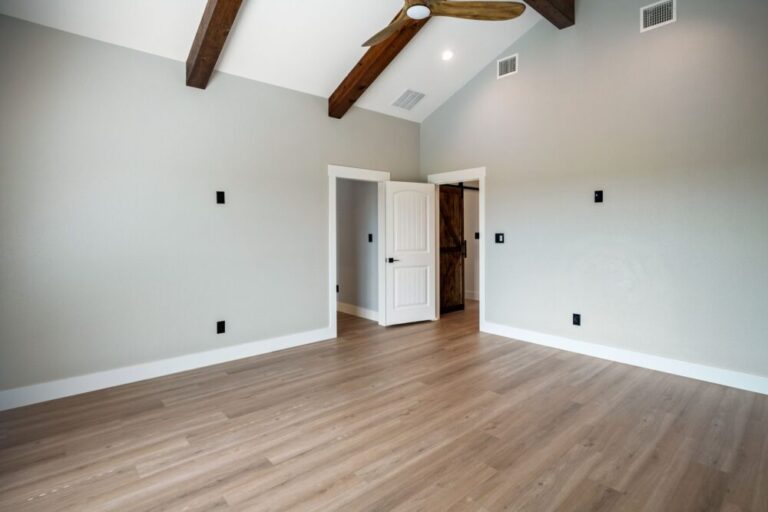
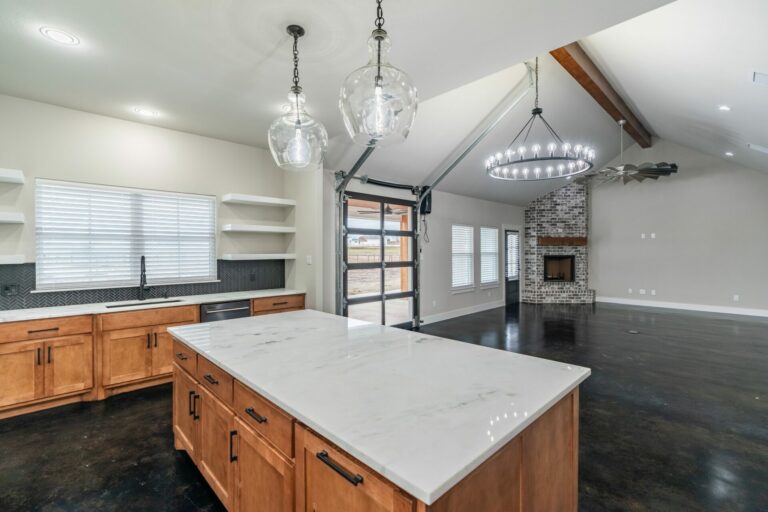
Experience matters enormously in custom homebuilding, but tenure alone is not the whole story. A builder who has been in business for 20 years but primarily constructs production homes may have far less relevant expertise than a smaller firm with 10 years of true custom work. Ask to see a portfolio of completed projects, and look specifically for homes that resemble the scope and style of what you want. Complexity in architecture, high-end finishes, and challenging lot conditions are all areas where experience makes a measurable difference.
Who Will Actually Be on My Job Site?
This question reveals more about a builder’s operation than almost any other. Some builders act as general contractors, meaning they manage the project but subcontract nearly all of the actual construction work. Others employ their own craftspeople and tradespeople directly. Neither model is inherently superior, but you deserve to know which one you are hiring. Ask who manages day-to-day operations on site, how subcontractors are vetted, and how the builder ensures quality control throughout the build.
Understanding the Financial Structure
Cost surprises are the number one source of conflict between homebuilders and their clients. A reputable custom builder will walk you through a detailed contract that distinguishes between fixed-price items and allowances. Allowances are budget estimates for selections you have not yet made, such as flooring, cabinetry, and fixtures. Be cautious of contracts with many large allowances, because they can create the illusion of a lower price while leaving significant financial exposure.
Ask for a detailed breakdown of what is included in your quote and what is not. A builder who welcomes this conversation and answers clearly is demonstrating exactly the kind of transparency you want to see throughout the entire build process.
Communication Is a Construction Material
Every professional in the homebuilding industry will tell you that communication is critical, but what does good communication actually look like in practice? It means a dedicated point of contact who knows your project intimately. It means scheduled updates at defined milestones rather than reactive phone calls when problems arise. It means a builder who proactively flags potential issues instead of waiting for you to notice them.
During your initial consultations, pay close attention to how the builder communicates. Do they listen carefully or talk over your questions? Do they explain trade-offs honestly or present everything as equally achievable? These early interactions are a reliable preview of the dynamic you will experience for the duration of your project.
Warranty and Post-Completion Support
A custom home builder’s relationship with you should not end at closing. Structural warranties, typically covering the foundation and framing for 10 years, are standard in the industry. But the quality of a builder’s warranty service often reflects the quality of their overall character. Ask former clients specifically about their experience after move-in, because that is where the difference between a good builder and a great one becomes clearest.
Making the Final Decision
Choosing a custom home builder is ultimately a relationship decision as much as a financial one. You are selecting a partner who will be deeply involved in your daily life for a year or more. Trust your research, ask hard questions without apology, and choose the builder whose answers consistently reflect honesty, craftsmanship, and genuine care for your outcome. When those qualities align, the home you build together will be worth every moment of the journey. Ready to start building the home you have always envisioned? Contact LaRue Custom Homes today to schedule your consultation and take the first step toward making it a reality.