New Construction Timeline: How Long Does Building a Custom Home Actually Take?
One of the first questions nearly every client asks the team at LaRue Custom Homes is some version of the same thing: “So, how long is this actually going to take?” It is a fair question, and the honest answer is that it depends on more variables than most people expect. LaRue Custom Homes has guided families through the custom build process for years, and that experience has taught the team that the clients who feel most confident throughout the process are the ones who understand the timeline before the first shovel ever hits the ground.
The national average for building a custom home from contract to completion typically runs between 10 and 16 months, according to data from the National Association of Home Builders. But that range can stretch or compress based on design complexity, permitting timelines, weather, and the pace of decision-making during the pre-construction phase. Understanding where the time actually goes helps homeowners stay calm, stay organized, and stay on the same page as their builder every step of the way.
Pre-Construction and Design
Before any physical work begins, there is an enormous amount of behind-the-scenes preparation happening. This phase covers everything from finalizing your floor plan and selecting your materials to securing financing and obtaining the necessary building permits.
The design stage alone can take four to eight weeks depending on the number of revisions involved. Working closely with your architect or the in-house design team, you will finalize structural details, exterior aesthetics, interior selections, and mechanical systems. Every decision made here directly affects what happens on the job site later, so thoroughness during this phase is genuinely valuable time spent.
Permit acquisition is where timelines can become unpredictable. Depending on the jurisdiction, permit review can take anywhere from two weeks to two months. Your builder should be familiar with local permitting norms and can set realistic expectations based on their experience in the area.
Site Work and Foundation
Once permits are approved, the physical transformation begins. Site preparation involves clearing the land, grading, and excavation. Following that, the foundation is formed and poured, which is a critical stage that must cure properly before framing can begin.
Weather is the biggest variable here. Rain, extreme cold, or unexpected soil conditions can all extend this phase. A reputable builder will build weather contingencies into the project schedule so delays at this stage do not cascade into every phase that follows.
Framing and Rough-In
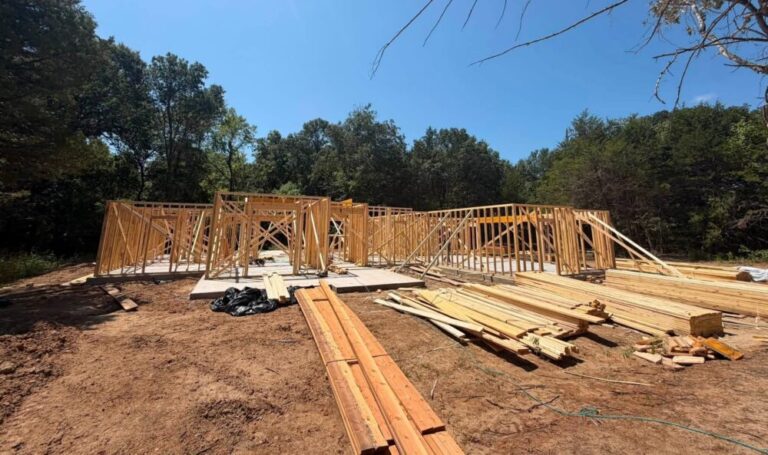
This is often the phase where clients feel the most excitement, because the home suddenly looks like a home. Walls go up, the roof takes shape, and the overall footprint becomes real in a way that blueprints simply cannot capture.
Simultaneously, rough-in work begins, which means the framing of mechanical systems like plumbing, electrical, and HVAC is installed before the walls are closed. This phase requires multiple inspections, and each one must be passed before the next stage begins. A builder with strong subcontractor relationships and organized scheduling will keep this phase moving efficiently.
Insulation, Drywall, and Exterior Finish
With rough-in inspections cleared, insulation goes in and drywall follows. Exterior elements like siding, roofing, windows, and doors are also completed during this period. By the end of this phase, the home begins to feel enclosed and finished from the outside.
Interior drywall work is more time-intensive than most clients anticipate. Hanging, taping, mudding, and finishing drywall is a multi-step process with required dry times between each coat. Rushing this phase leads to visible imperfections later, so quality builders protect the timeline here even when it feels slow from the outside.
Interior Finishes and Fixtures
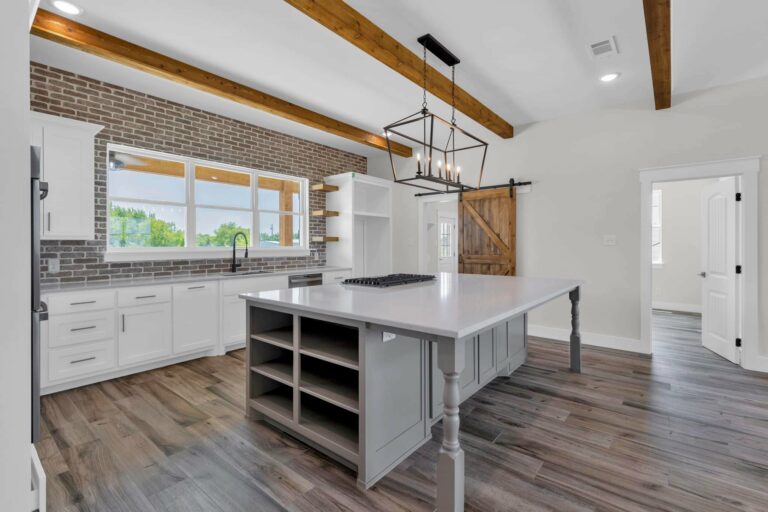
This is the most labor-intensive phase of the entire project. Flooring, cabinetry, countertops, paint, trim, tile, plumbing fixtures, light fixtures, and hardware all come together during this stretch. Your selections from the design phase are ordered, delivered, and installed in a carefully coordinated sequence.
This phase is also where homeowner change orders have the greatest potential to impact the timeline. Changing a countertop selection or a tile pattern mid-installation can cause weeks of delays depending on lead times. Locking in selections early, ideally before construction begins, is one of the most practical ways a homeowner can protect their own schedule.
Final Inspections and Punch List
Before closing, the home goes through a final inspection by local authorities and an internal walk-through with your builder. Any items that need correction go onto a punch list, which your builder addresses before handing over the keys. A thorough builder will have conducted ongoing quality checks throughout the build, which means the final punch list should be a manageable number of small items rather than a surprise list of significant concerns.
The Bottom Line on Timing
A realistic custom home timeline is somewhere between 12 and 18 months from the start of the design process to move-in day for a home of moderate to high complexity. Simpler designs with faster permitting and decisive homeowners can finish closer to 10 or 11 months. More complex builds with extensive custom details or challenging sites may run longer.
The best thing a prospective custom homebuilder can do is work with a team that communicates proactively, builds a realistic schedule from day one, and treats surprises as problems to solve rather than reasons to deflect. When you know what to expect and you have a builder who keeps you informed, the process becomes something to look forward to rather than something to endure. Ready to start mapping out your custom home journey? Reach out to LaRue Custom Homes today to schedule a consultation and get a realistic timeline tailored to your vision and your lot.