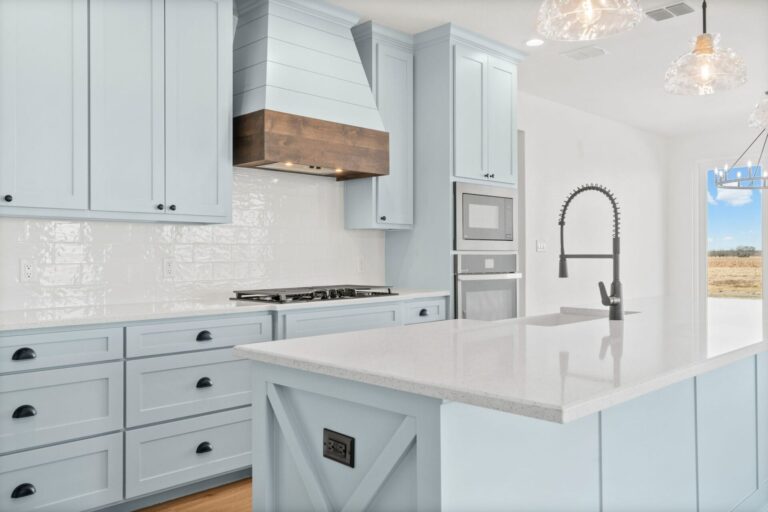
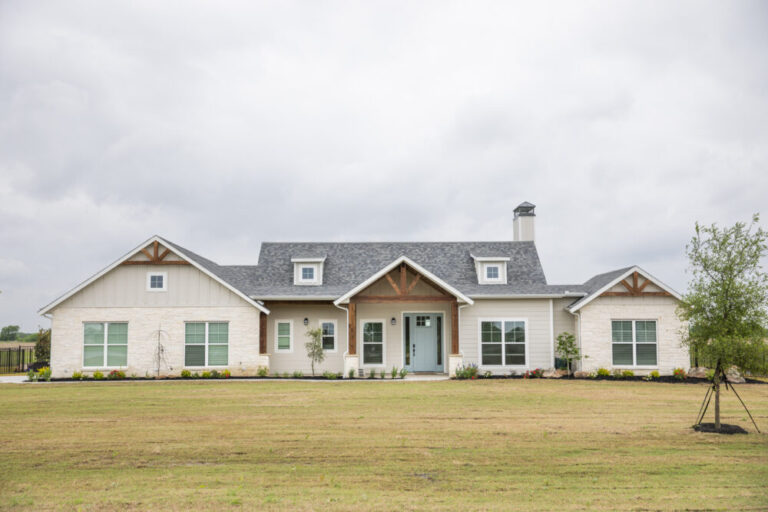
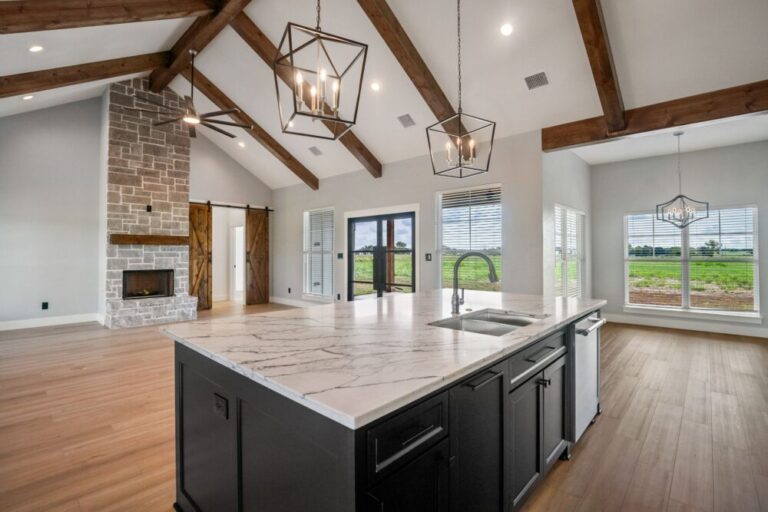
How Can You Successfully Work With a Custom Home Builder in Northeast Texas?
To successfully work with a custom home builder in Northeast Texas, establish clear expectations, communicate regularly, finalize important design decisions early, and stay involved throughout construction. A strong builder-client relationship depends on transparency, realistic timelines, and mutual trust. By understanding the building process and maintaining open communication, homeowners can reduce misunderstandings, avoid unnecessary delays, and create a home that reflects their vision.
Building a custom home is an exciting opportunity to create a space designed around your lifestyle, preferences, and future needs. However, turning that vision into reality requires more than selecting finishes and reviewing floor plans. It takes thoughtful planning and a collaborative relationship with your builder.
At LaRue Custom Homes, we understand that building a home is one of the most meaningful investments a family can make. Our approach emphasizes personalized service, attention to detail, and clear communication throughout the custom home building process. We believe homeowners should feel informed, confident, and supported as their dream home takes shape. Whether you’re planning a spacious home on rural acreage or a personalized residence in a growing Northeast Texas community, understanding how to collaborate with your builder can make the experience more enjoyable and rewarding.
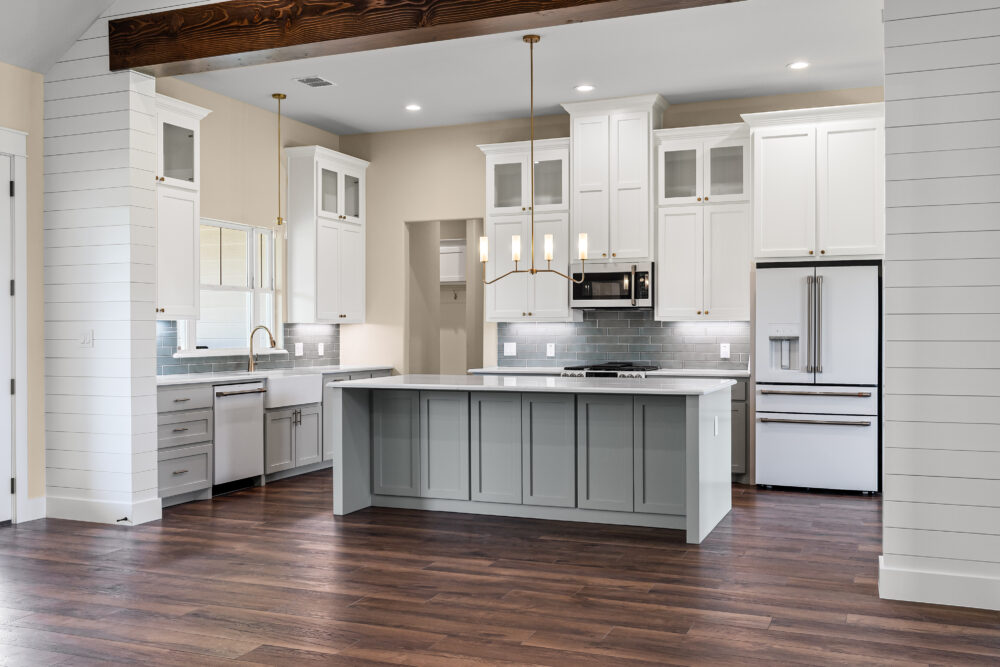
Custom Home Building Tips for a Smooth, Successful Experience
Successful custom home construction begins with a partnership built on communication, preparation, and shared expectations. While your builder manages the technical details and construction process, your participation helps ensure the finished home aligns with your goals.
Here are five essential ways to strengthen your relationship with your custom home builder.
1. How Should You Communicate With Your Custom Home Builder?
Consistent, organized communication is one of the most important factors in a successful custom home building experience. Establishing communication expectations early helps homeowners stay informed while allowing builders to manage construction efficiently.
Before construction begins, discuss how you’ll receive project updates, who your primary contact will be, and how questions or concerns should be addressed.
Consider these communication practices:
- Establish a primary contact: Know who to reach when questions arise.
- Agree on regular updates: Determine how frequently you’ll receive progress reports.
- Document important decisions: Keep written records of approved materials, design changes, and selections.
- Ask questions early: Address uncertainties before they become larger issues.
- Respect communication channels: Use agreed-upon methods to keep conversations organized.
Clear communication becomes especially valuable when coordinating multiple construction phases, subcontractors, and material deliveries.
A dependable custom home builder should encourage questions and help homeowners understand what to expect throughout the project.
2. What Decisions Should You Make Before Construction Begins?
Finalizing major design choices before construction starts can help prevent delays, unexpected changes, and unnecessary expenses. Although some decisions naturally occur during construction, early planning gives your builder a clearer roadmap.
Start by identifying your priorities and separating essential features from optional upgrades.
Important decisions include:
- Floor plan and layout: Consider room sizes, traffic flow, storage, and future needs.
- Exterior materials: Select roofing, siding, masonry, and architectural details.
- Interior finishes: Explore flooring, cabinetry, countertops, and fixtures.
- Electrical planning: Determine lighting locations, outlets, and technology requirements.
- Outdoor features: Plan patios, porches, driveways, and landscaping considerations.
In Northeast Texas, property-specific factors deserve additional attention. The region’s hot summers, seasonal storms, and varying soil conditions can influence construction planning.
For example, homeowners building on rural property should discuss site access, drainage, utility availability, and foundation considerations with their builder before finalizing plans.
Thoughtful preparation allows the construction team to anticipate challenges and coordinate the project more effectively.
3. How Can You Stay Involved Without Slowing Down Construction?
The best way to stay involved is to participate in scheduled meetings, make decisions promptly, and communicate through your builder rather than directing subcontractors.
Building a custom home requires hundreds of coordinated tasks. While homeowner involvement is valuable, frequent unplanned changes or conflicting instructions can interrupt progress.
To maintain a productive partnership:
- Attend scheduled walkthroughs. Review construction progress and ask questions at appropriate milestones.
- Respond promptly to selection requests. Delayed decisions can affect material orders and scheduling.
- Review proposed changes carefully. Understand how modifications may affect the project timeline and budget.
- Trust your builder’s expertise. Experienced builders understand construction sequencing, trade coordination, and quality requirements.
- Keep communication centralized. Direct questions and requests through your designated builder representative.
The National Association of Home Builders (NAHB) emphasizes the importance of planning, communication, and understanding the construction process when building a new home.
Your builder’s responsibility is to coordinate construction and maintain quality standards. Your responsibility is to communicate your preferences, review decisions, and provide timely feedback.
When both parties understand their roles, collaboration becomes more efficient.
4. Why Are Realistic Expectations Important During a Custom Home Build?
Realistic expectations help homeowners navigate construction timelines, weather interruptions, and unexpected site conditions without unnecessary frustration.
Unlike purchasing an existing home, custom construction involves multiple stages, including design, permitting, site preparation, foundation work, framing, mechanical installations, and finishing.
Each phase depends on scheduling, material availability, inspections, and the completion of previous work.
In Northeast Texas, several regional conditions may influence construction:
- Heavy rainfall: Wet conditions can affect excavation, foundation preparation, and site access.
- Summer heat: High temperatures may require adjustments to certain outdoor construction activities.
- Rural infrastructure: Properties outside developed neighborhoods may require additional coordination for utilities, septic systems, or access roads.
- Site conditions: Soil characteristics, grading, and drainage requirements can influence foundation and site preparation.
The National Weather Service identifies severe thunderstorms, heavy rainfall, and extreme heat as weather concerns across East Texas.
Discussing potential challenges early helps establish reasonable expectations.
Remember that a construction schedule is a carefully coordinated plan, but some adjustments may be necessary to protect workmanship and safety.
5. How Do You Handle Changes During the Building Process?
The most effective way to manage construction changes is to request them in writing, review their impact, and obtain approval before work proceeds.
Even with thorough preparation, homeowners sometimes discover new preferences during construction. You might decide to adjust lighting, upgrade cabinetry, or add a feature that wasn’t included in the original design.
These requests are commonly handled through a change order.
A well-documented change order should identify:
- The requested modification
- Any additional or reduced costs
- Potential effects on the construction schedule
- Materials or labor required
- Written approval before implementation
Not every change is equally complicated. Some finish selections may be relatively simple to adjust, while structural modifications can require revised plans, additional materials, or new approvals.
For this reason, communicating desired changes as early as possible is essential.
A collaborative builder-client relationship makes it easier to evaluate options and choose solutions that balance design goals, construction requirements, and project expectations.
Frequently Asked Questions About Working With a Custom Home Builder
How often should I communicate with my custom home builder?
Communication frequency depends on the construction phase and your builder’s process. Establish a regular update schedule early, with additional conversations when important decisions, inspections, or changes arise.
Can I make changes after construction has started?
Yes, many custom home builders allow changes during construction, but modifications may affect costs and timelines. Always discuss proposed changes with your builder and obtain written approval before work begins.
What should I prepare before meeting with a custom home builder?
Bring information about your property, preferred home size, design inspiration, must-have features, and overall project goals. Having a clear understanding of your priorities helps your builder evaluate your vision and explain the next steps.
What is the most important part of a successful builder-client relationship?
Clear communication and mutual trust are essential. Homeowners and builders should establish expectations early, document important decisions, and work together to resolve questions throughout construction.
Build Your Dream Home With LaRue Custom Homes
A successful custom home building experience begins with the right partnership. When homeowners and builders communicate openly, plan carefully, and approach decisions collaboratively, the entire process becomes more organized and rewarding.
At LaRue Custom Homes, we’re committed to helping Northeast Texas homeowners bring their ideas to life through thoughtful planning, personalized attention, and quality craftsmanship.
Whether you’re preparing to build your first custom home or creating a forever home for your family, we’re here to help you move forward with confidence.
Ready to Start Building Your Dream Home in Northeast Texas? Partner with LaRue Custom Homes and experience the value of working with a builder who prioritizes your vision, communication, and lasting quality. Contact LaRue Custom Homes today to start planning your custom home!